Redesigning an existing travel portal around a clear client brief
Tour 2000 did not start from a blank slate. The client already had a live product, detailed documentation, and a clear direction for the new portal. I began by studying that material and identifying where the structure and technical approach needed work.
Align business goals, stakeholder vision, and traveler usability within a single portal, designed to feel more cinematic and compelling. An experience users actually want to navigate, not just use.
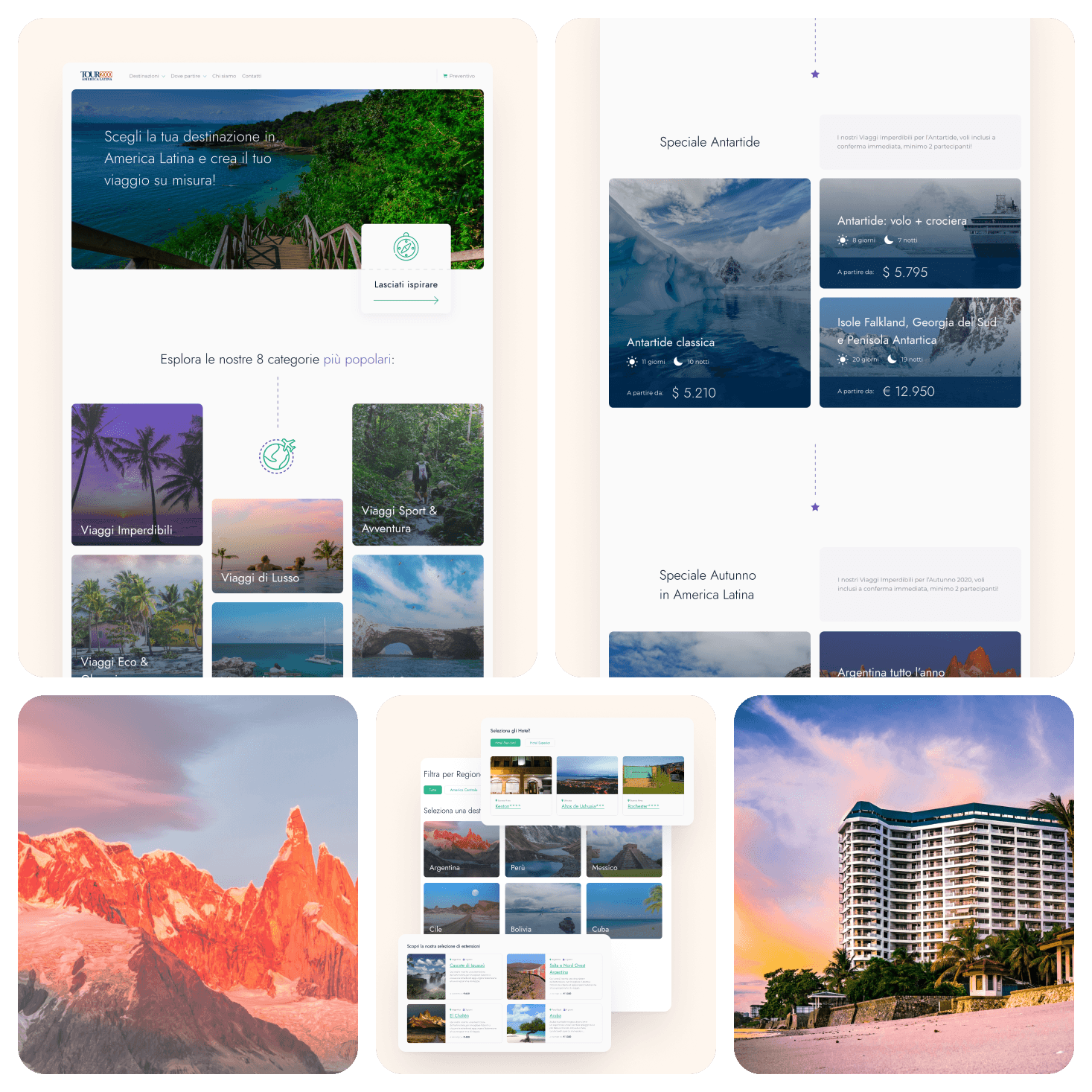
Reworking an existing travel portal for travelers and stakeholders
Tour 2000 was not a greenfield project. The client already had an existing product and a clear idea of what the new portal needed to do.
The platform serves people exploring travel proposals, comparing journeys, and starting the sign-up or enquiry path with enough confidence to continue.
The first step was to study the full documentation provided by the client, then identify where the product structure and technical approach needed to improve.
The challenge was to respect a strong initial direction while making the portal more functional, more usable, and more engaging for the end traveler.
I worked across the product from early analysis to final frontend delivery, helping turn a defined brief into a workable experience.
- -Reviewed the existing product and the full client documentation
- -Proposed improvements to documentation and product architecture
- -Ran competitive analysis to identify patterns worth adapting
- -Designed user flows, user journeys, and mockups
- -Translated the approved direction into frontend code
The work moved in sequence: understand the material, reduce ambiguity, choose the right interaction patterns, then shape the experience screen by screen.
Every decision had to stay realistic for the client's priorities, delivery constraints, and available budget.
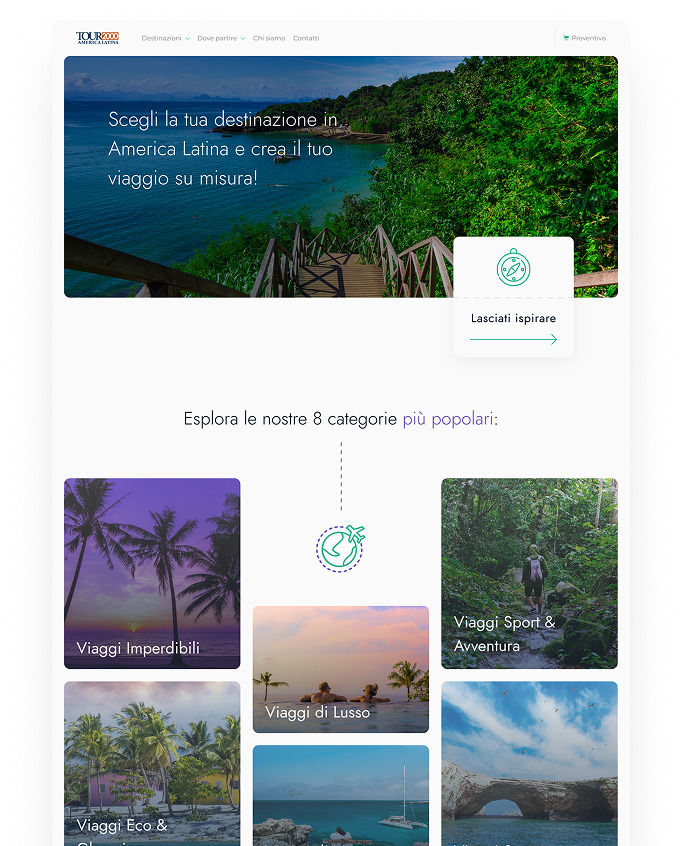
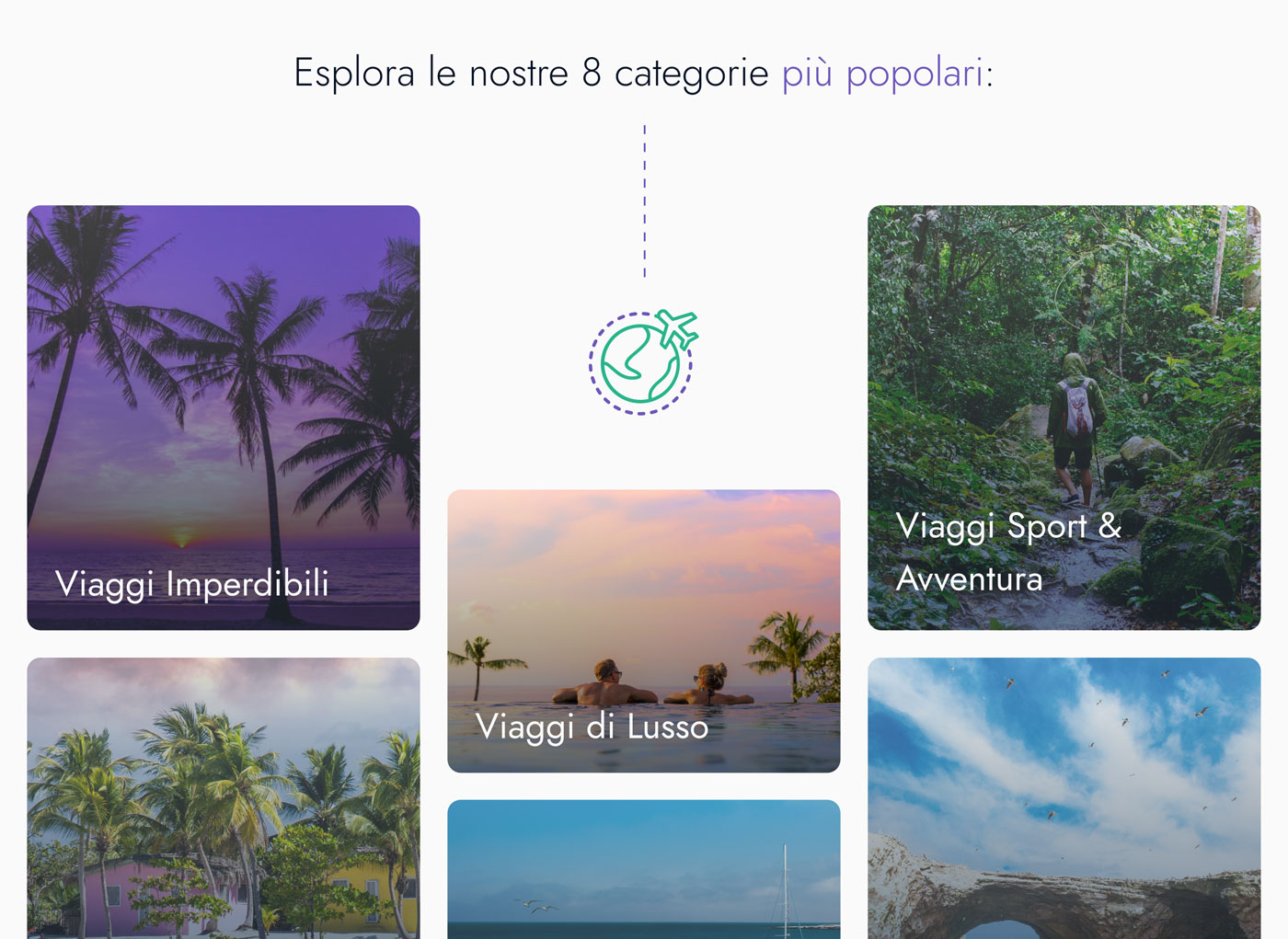
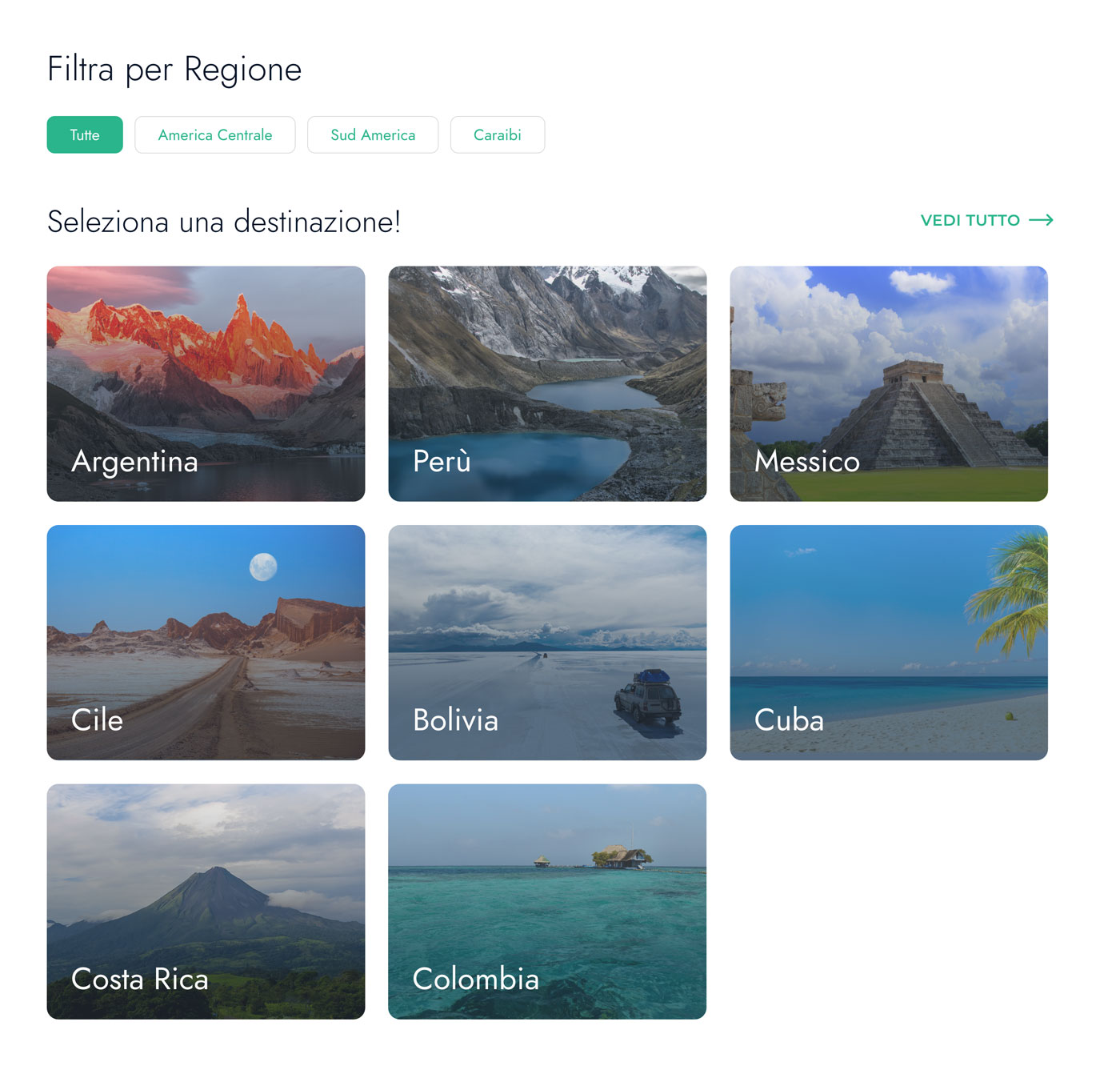
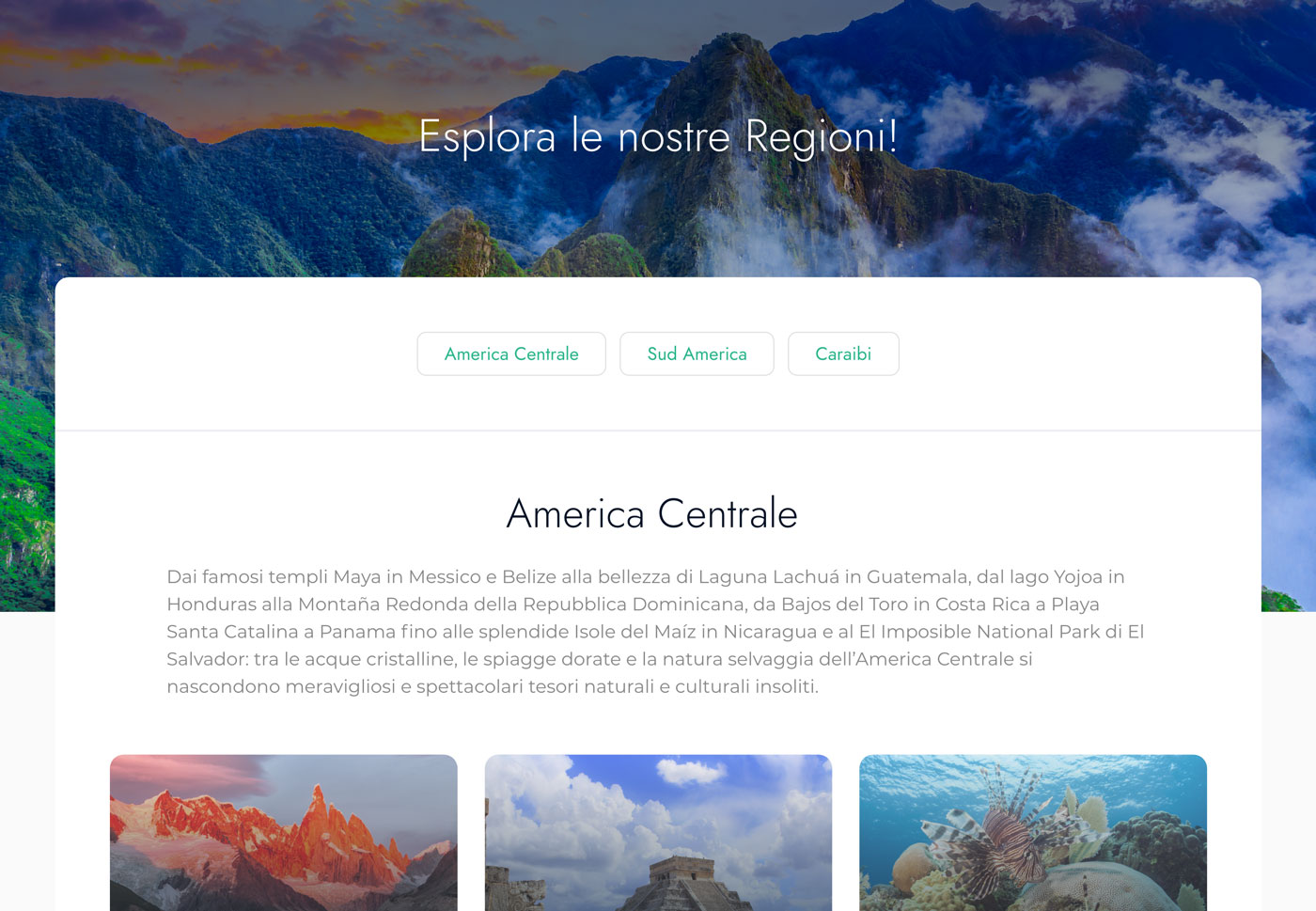
The strongest outcome is a portal that feels more structured and more cinematic, using imagery to make the journey feel tangible while keeping decisions easy to follow.
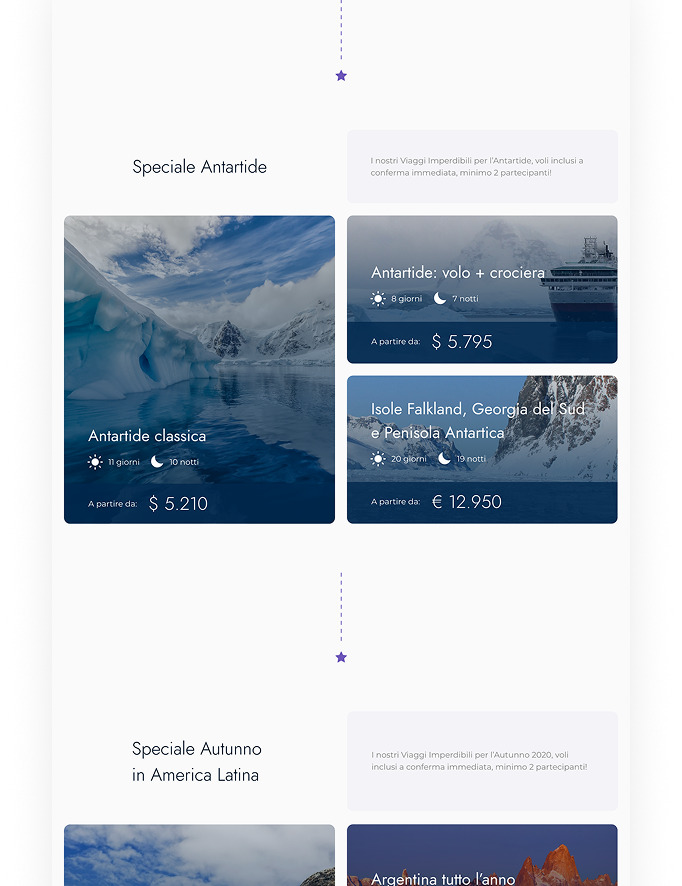
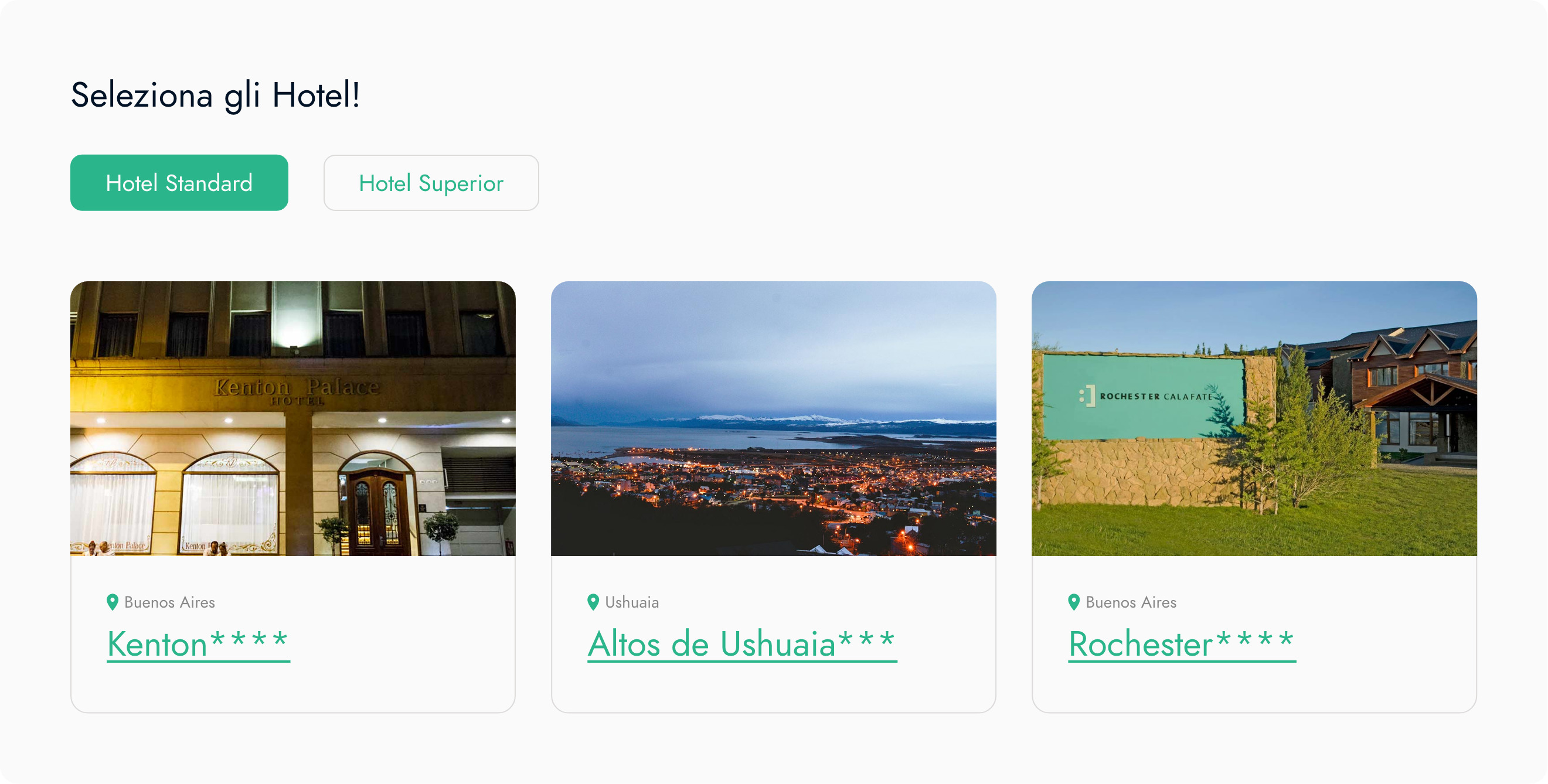
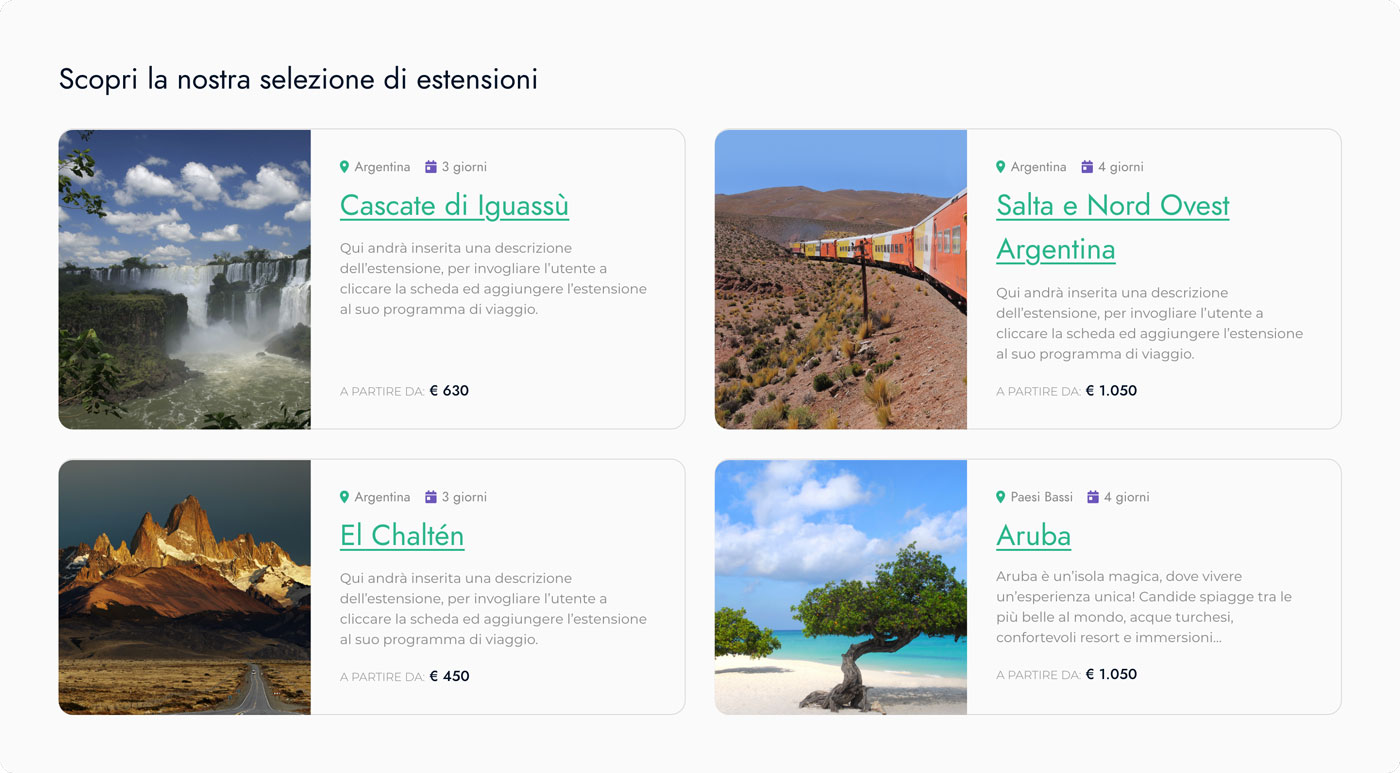
- -Travel proposals are easier to scan and compare
- -Journeys and next steps feel more understandable
- -The experience stays aligned with stakeholder expectations
- -The imagery makes the destination feel more real without turning the experience into a generic booking flow
I reorganized the portal so travelers could browse proposals, compare journeys, and understand the enquiry or sign-up path without losing the visual character the client wanted.

Working on similar challenges?
I design digital products that bring clarity to complex services, from concept to release.